

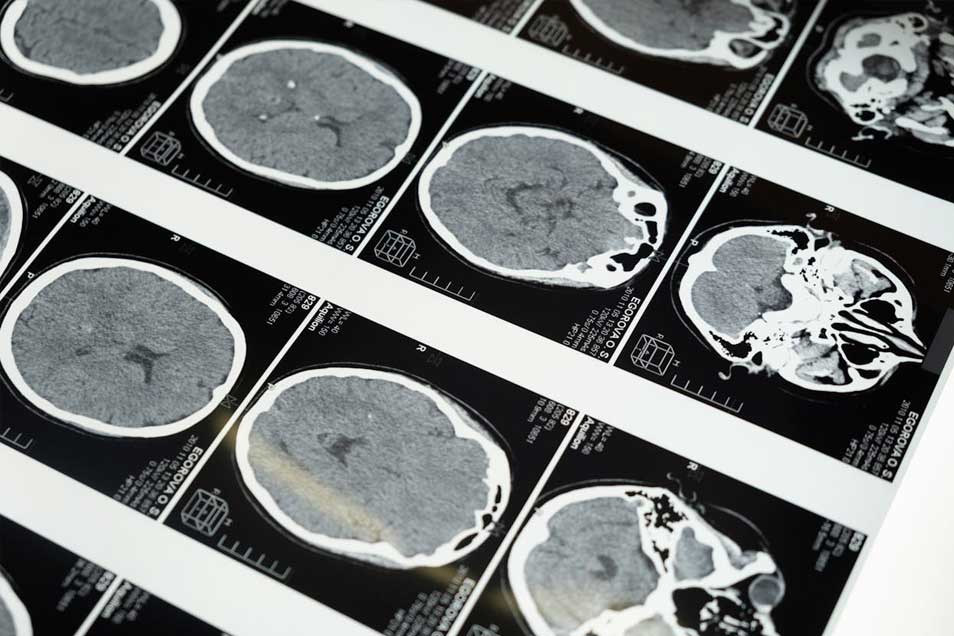
The Neuroscience of Manifestation: How Your Brain Responds to Intentions
Manifestation can be a popular word in the self-improvement arena. However, sometimes the meaning of manifestation is thought to have roots in spirituality. While manifestation can be seen as a spiritual practice, we can also view it through the lens of brain science and manifestation.
The Brain and Manifestation
When we work on goal setting, these intentions activate certain parts of the brain. The parts of the brain that are activated through intentions are the prefrontal cortex and the anterior cingulate cortex. Neuroplasticity is defined as the brain’s ability to change throughout life. Neuroplasticity teaches us that we can reshape our brains and create new neural pathways at any point in our lives. Visualization can be used as a tool to support manifestation. Visualization exercises can help people imagine and feel what a desired outcome will feel like. However, it’s important to remember that visualization is not the only step. Rather, visualization is the step that you can take before taking action towards a goal.
How Evidence-Based Manifestation Actually Works
Manifestation, from a brain science perspective, is not about magic. Evidence-based manifestation works by changing how our brain notices and responds over time. The best way to start this process is to set clear intentions to signal to your brain what your actual goals are. Next, a person can use visualization exercises to help them become familiar with their intentions. Repetition strengthens learning and neuroplasticity and helps create long-term changes in the brain. It’s important to evaluate what is working and not working and change accordingly. In this sense, manifestation is about our behaviors, our attention, and the decisions we make as a result.
Manifestation can be used alongside mental health treatments to help work through anxiety, habit changes, and self-esteem struggles. Through this practice, people can reshape how their brain works and respond to their goals and intentions. If we can be clear about our intentions, we can signal to our brains what is most important for us to notice and pay attention to. Paying attention to what works and what doesn’t work helps people make adjustments. In this way, manifestation can be viewed as a self-directed learning process that helps change behaviors, attention, and decision-making skills. Through this learning process, we can strengthen new thoughts and pathways through neuroplasticity.
Manifestation is not magic or wishful thinking. Rather, manifestation is rooted in brain science and can be used to improve our mental health. Intention and repetition can be used to change how we think and how our brains are structured. Through manifestation, we can create lasting changes through specific action rather than wishful thinking.
If you or someone you love is interested in working with us, we are here for you! Reach out to us today if you are ready to start.
References
https://pmc.ncbi.nlm.nih.gov/articles/PMC5854216/
https://www.sciencedirect.com/science/article/pii/S0006899325002021
https://pmc.ncbi.nlm.nih.gov/articles/PMC9741729/
https://news.stanford.edu/stories/2024/05/james-doty-on-the-neuroscience-of-manifestation
https://pubmed.ncbi.nlm.nih.gov/37421301/
Keywords: neuroplasticity, manifestation, visualization, brain science, evidence-based manifestation